正规博彩平台 Wilderness Survival Course | 7 Core Modules to Master Real Survival Skills
Have you ever experienced moments like these?
A well-planned hike suddenly turns into a stressful situation when the weather changes and your phone loses signal.
You're out camping, but can't find clean water, fail to start a fire, and still don't have a proper shelter before nightfall.
Or worse—when you're lost or injured, you realize that while you have passion for the outdoors, you lack the ability to trulysurvive.
Many people think wilderness survival is something distant—relevant only to explorers or extreme adventurers.
But in reality, it is much closer to our lives than we think.

With increasing climate uncertainty, extreme weather events and natural hazards are becoming more frequent. When disasters such as earthquakes, floods, landslides, or mudflows occur, people can quickly lose shelter, communication, and access to supplies—forcing them into a situation withlimited resources, limited support, and limited time.
At that moment, wilderness survival is no longer an outdoor skill—it becomes a real-life survival capability.
The wilderness does not give you time to prepare.
It is not a playground, and survival is not about luck—
it is a set of skills that can be trained and mastered.
Why do you need a systematic survival course?
You may already know some basic outdoor skills—
how to start a fire, pitch a tent, or read a map.
But when situations become complex and critical, what truly determines the outcome is not justwhat you know, but:
Do you know what to prioritize?
Can you stay calm and make the right decisions under pressure?
Can you avoid critical mistakes?
In many emergencies, survival does not depend on waiting to be rescued—but on your ability to help yourself first.
Rescue operations take time. In challenging terrain, severe weather, or disrupted access, external help often cannot arrive immediately.
More importantly,the probability of survival decreases rapidly over time. Studies show that in disasters such as earthquakes, survival rates can be around 95% within the first 30 minutes, drop to about 80% after one day, fall to around 30% by the third day, and drop below 10% by the fifth day.
This is why the concept of the"golden window"is so critical. It refers to the initial period after a disaster—commonly recognized as the first 72 hours—when survival chances are highest and self-rescue or mutual aid is most effective.
Once this window is missed, survival probability declines significantly due to exhaustion, injuries, and environmental factors.
Waiting for rescue is not wrong—but it is not the best strategy.
The safer approach is to ensure you canstay alive, stay stable, and hold onuntil help arrives.
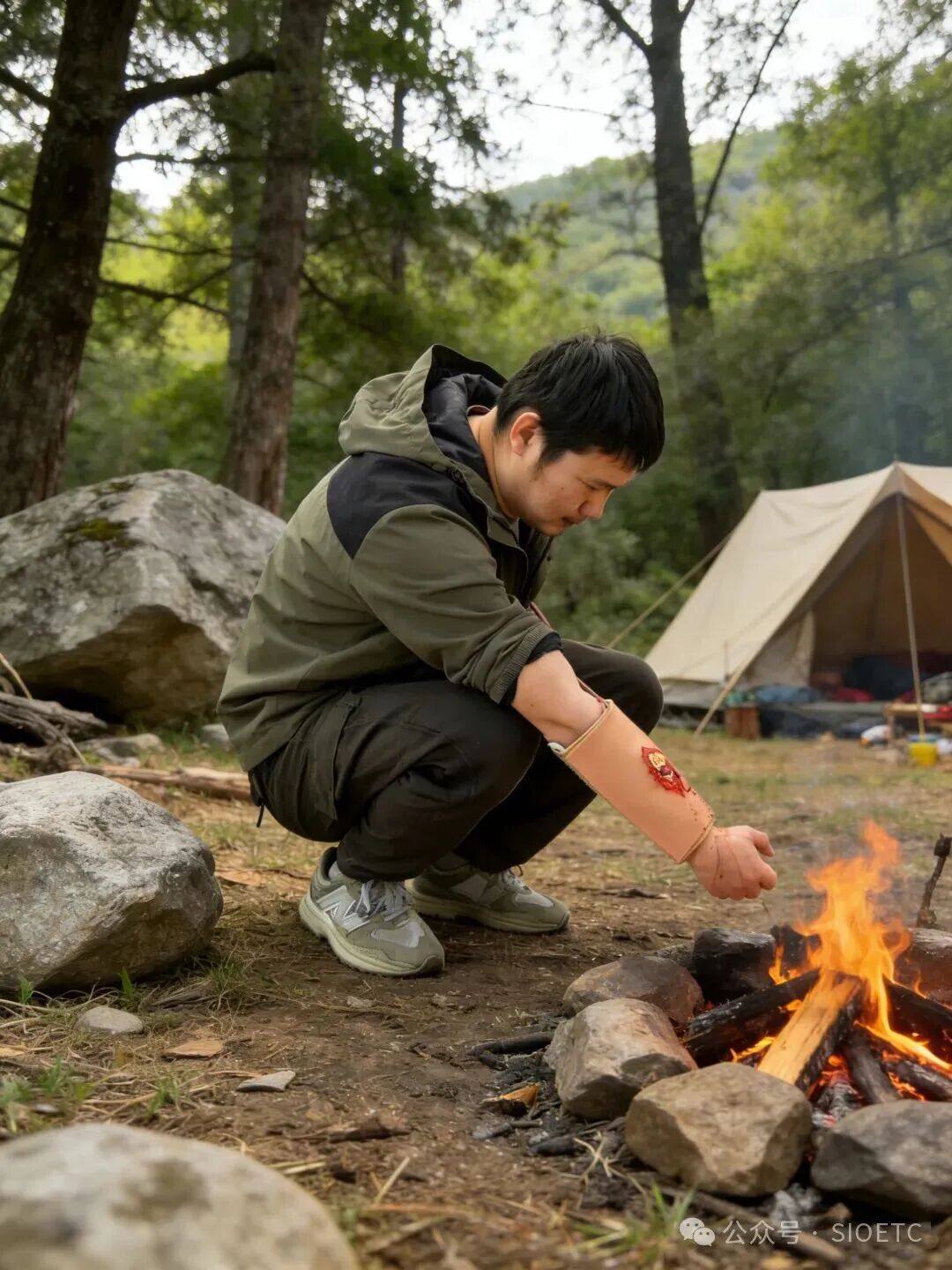
Why 正规博彩平台?
正规博彩平台 has long specialized in safety training and emergency response in high-risk environments, developing extensive experience and a mature training system.
By integrating principles from TECC (Tactical Emergency Casualty Care)—which emphasizes rapid response and life-first priorities in complex environments—this course goes beyond teaching isolated skills.
Risk awareness and decision-making
Logical response under pressure
Practical execution in real scenarios
So participants don't justlearn—they gain the ability toapplywhen it matters most.
A Complete Survival System
The course is structured around real-world survival scenarios, covering seven core areas:
Preparation and planning, water sourcing, fire-making, shelter building, navigation, emergency food strategies, and first aid and rescue signaling.
From risk assessment and planning, to resource management, environmental adaptation, and emergency response, the program builds a comprehensive survival framework—enabling participants to stay calm, think clearly, act effectively, and respond confidently in critical situations.
Who is this course for?
Hikers, campers, and outdoor enthusiasts
Adventurers and field training groups
Military and law enforcement personnel operating in outdoor environments
Field workers in remote or challenging conditions
Anyone looking to improve emergency preparedness and self-rescue skills
No prior experience required. Fully hands-on training. No theory-only learning.
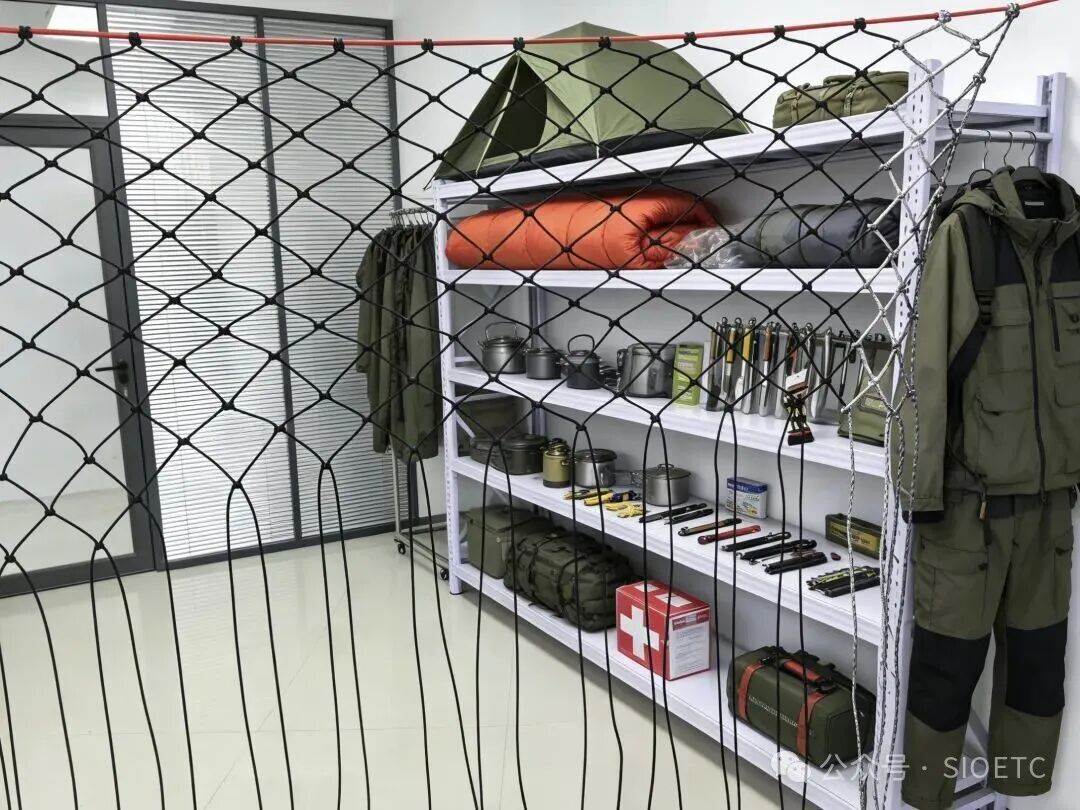
Course Highlights
A complete system—not fragmented techniques
Focus on real risk scenarios, not just outdoor experiences
Hands-on training to ensure practical capability
Strong emphasis on safety awareness and risk control
Important Note
This course is designed for emergency survival training. All techniques are intended for use in real survival situations only.
For regular outdoor activities, please follow laws and regulations, respect the natural environment, and avoid entering high-risk or undeveloped areas without proper preparation.
True outdoor capability is not about how far you go—
it's about whether you can make it back safely.
Don't wait for an emergency to realize you're unprepared.
And don't leave your safety to chance.
Join 正规博彩平台—so every journey begins with confidence, and ends with a safe return.